


.png)
Stage Fright
- Andrea Dale
- 3 hours ago
- 3 min read

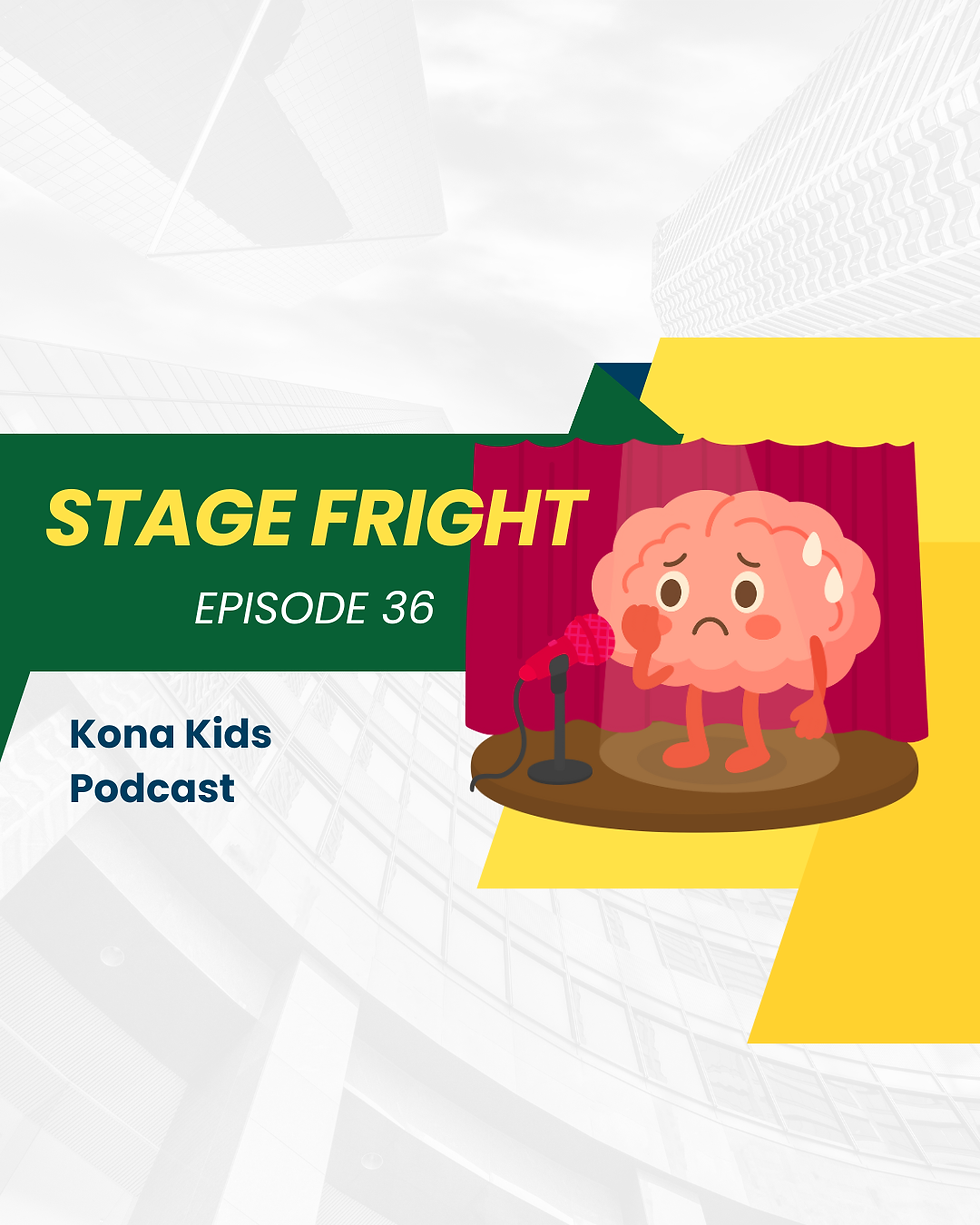
This week on the Kona Kids Podcast we are learning strategies for children who might be nervous about participating in their annual schools Winter or Christmas concerts.
Helping Your Child Through Stage Fright: What Parents Need to Know
Whether it’s a school concert, a class presentation, or a dance recital, many children experience stage fright. That nervous feeling before standing in front of others is incredibly common—even for adults. For kids, though, those big emotions can feel overwhelming, confusing, and sometimes embarrassing.
The good news? With the right support, children can learn to manage stage fright and even build confidence that lasts far beyond the stage.
What Is Stage Fright?
Stage fright is a form of performance anxiety. It’s the body's natural stress response kicking in when a child feels like others are watching or judging them.
Common signs include:
Stomach aches
Sweaty hands
Shaky voice
Worrying about making mistakes
Wanting to avoid the performance altogether
These reactions don’t mean your child isn’t capable—they mean they care, and their body is working overtime to protect them.
Why Stage Fright Happens
Kids often feel pressure (even when no one is pressuring them). Their worries may sound like:
“What if I mess up?”
“What if people laugh at me?”
“What if I forget what I’m supposed to do?”
Children also haven’t had as many life experiences as adults, so even small performances can feel huge. Their brains are still learning how to balance big feelings with new challenges.
How to Support Your Child Through Stage Fright
1. Normalize the Feeling
Let your child know that stage fright is common and totally okay.You can say:“Everyone feels nervous before doing something in front of others. It means your body is getting ready to do something important.”
Normalize—don’t dismiss. Avoid saying “You’re fine” or “There’s nothing to be scared of,” even with good intentions.
2. Practice in Small Steps
Gradual exposure builds confidence. Try:
Practicing the speech or song at home
Performing for one family member
Recording it together and watching the progress
Standing on the stage or in the classroom before the big day
These micro-steps help the brain understand: “This is safe.”
3. Teach Simple Coping Skills
Give them tools they can use backstage or right before performing:
Box breathing: In 4 seconds, hold 4, out 4, hold 4.
Butterfly tap: Tap shoulders left-right-left-right to calm the nervous system.
Positive self-statements:
“I can do hard things.”
“I don’t have to be perfect; I just have to try.”
4. Focus on Effort, Not Outcome
Praise the process:
“I’m proud of how you practiced.”
“You were brave to try something new.”
Children who feel valued for effort—not performance—tend to have lower anxiety.
5. Prepare for Mistakes
Help your child understand that mistakes happen to everyone—even professional performers.You can role-play:
“What would we do if you forget a line?”
Practice smiling, taking a breath, or picking back up where they left off. Knowing there’s a plan makes the performance feel less scary.
6. Be Calm and Supportive on the Big Day
Children often mirror your energy. A calm parent helps a child stay grounded.Avoid saying things like:“Don’t be nervous.” or “This is a big moment.”
Instead try:“You’ve practiced. You’re ready. I’m excited to watch you try your best.”
7. Celebrate the Courage, Not the Result
After the performance, avoid focusing only on how they performed.Instead:
Highlight moments of bravery
Ask how they felt
Celebrate the effort
And if the performance didn’t go well, that’s okay. It’s another chance to build resilience.
Final Thoughts
Stage fright isn’t something to “fix”—it’s something to guide children through. When we help kids understand their feelings, practice new skills, and celebrate their effort, we’re not just preparing them for a performance… we’re helping them grow into confident and resilient humans.
If your child struggles with stage fright, remember:They’re not alone.You’re doing a great job.And with gentle support, they can shine in their own way.
Don't forget to follow the Kona Kids Podcast on Apple, Spoitfy or Youtube Podcasts.


Comments